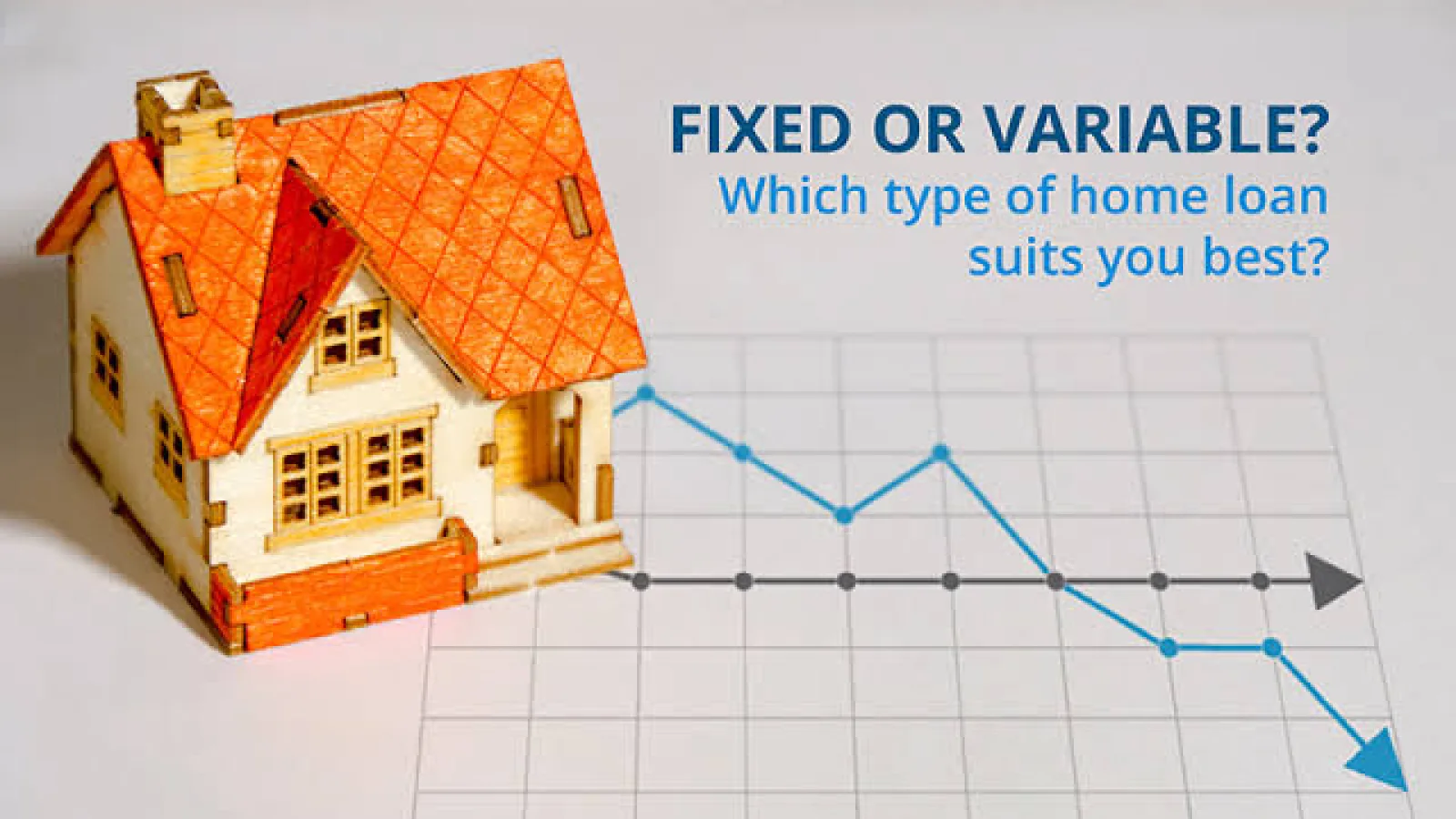
Fixed vs Variable Home Loans: Which Option Could Suit You?
What Is a Fixed-Rate Home Loan?
A fixed-rate home loan locks in your interest rate for an agreed period.
This can provide greater certainty over your repayments, making it easier to plan your household budget.
However, fixed loans can come with restrictions, including limits on additional repayments or fees for breaking the loan early.
What Is a Variable-Rate Home Loan?
With a variable-rate loan, the interest rate can change over time.
If rates increase, your repayments may rise. If rates decrease, your repayments may fall.
Variable loans can also offer greater flexibility, including features such as offset accounts and additional repayments.
Which Option Is Better?
There is no single option that is right for every borrower.
A fixed loan may appeal to someone who values repayment certainty, while a variable loan may suit someone who wants greater flexibility.
Consider:
- Your household budget
- Your expectations about future interest rates
- How long you expect to keep the loan
- Whether you need an offset account
- Whether you want to make additional repayments
The best choice depends on your individual financial circumstances rather than simply predicting where interest rates will go.
Think About the Long Term
Choosing a home loan is a long-term financial decision. Before fixing your rate, make sure you understand what happens when the fixed period ends.
Always review the loan's fees, features and conditions before committing.
This article provides general information only and does not take into account your individual financial circumstances. Consider seeking professional financial advice before making a lending or property decision.